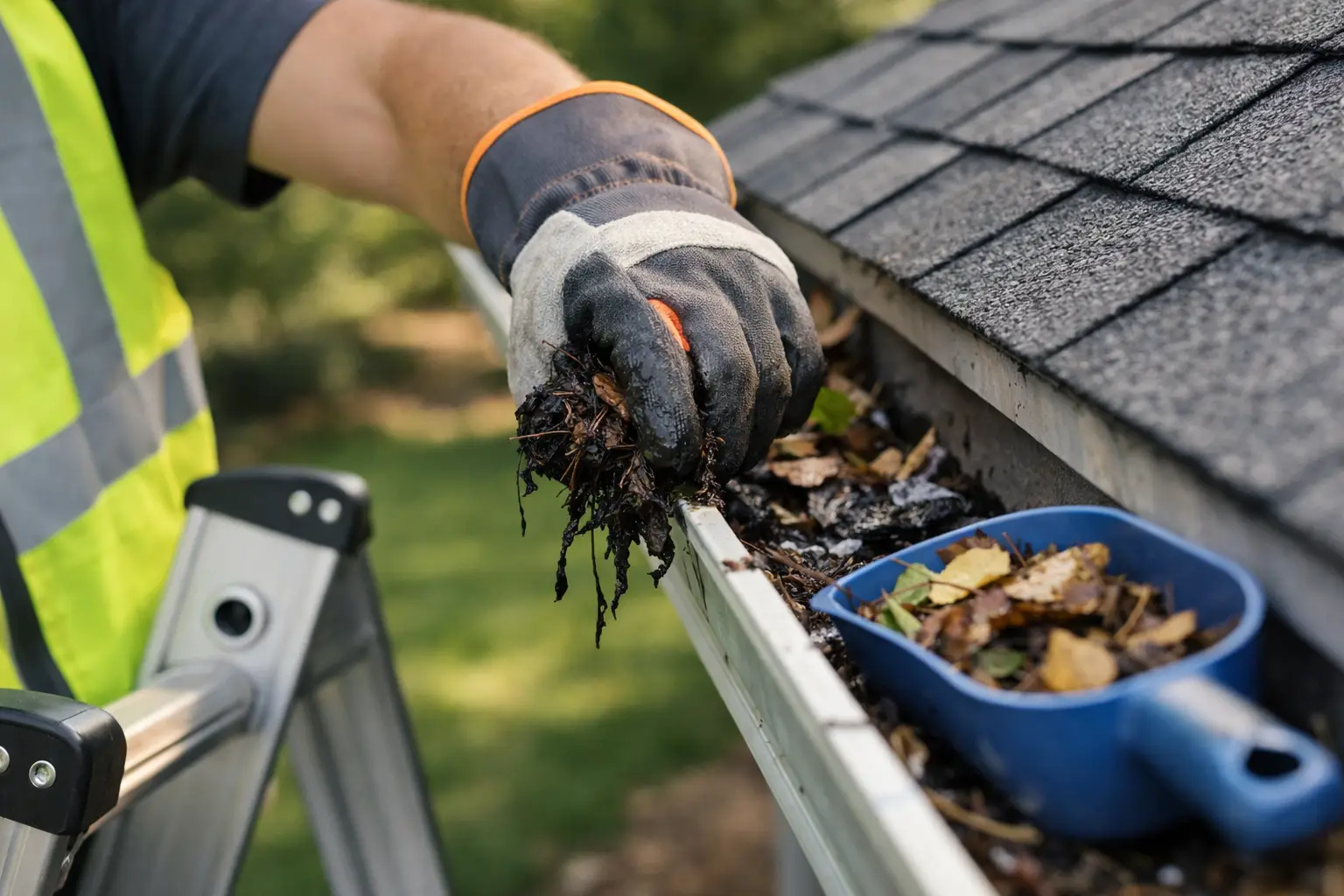
A lot of gutter problems do not start with a storm. They start quietly, with a little leaf buildup, a damp corner of the roofline, and water that no longer drains where it should. That is why homeowners keep asking the same practical question – how often should gutters be cleaned?
For most homes, the right answer is twice a year. But that is only the starting point. The real schedule depends on what surrounds your home, how your roof drains, and how quickly debris builds up after wind, rain, and seasonal shedding. If you wait until water spills over the edge, you are already dealing with the consequences instead of preventing them.
How often should gutters be cleaned for most homes?
In general, gutters should be cleaned every six months, usually once in the spring and once in the fall. That timing works well for many homeowners because it clears out seasonal debris before it turns into a blockage.
A twice-yearly schedule helps protect the parts of the home that are easiest to ignore and most expensive to repair later. Clean gutters move water away from the roof, fascia, siding, foundation, and landscaping. Clogged gutters do the opposite. They trap moisture, create overflow, and put stress on areas that are meant to stay dry.
If your home is surrounded by mature trees, especially pines or fast-shedding varieties, twice a year may not be enough. In those cases, three or even four cleanings a year can be the safer choice.
What changes how often gutters should be cleaned?
The biggest factor is tree coverage. A home with overhanging branches will collect leaves, seed pods, twigs, and pollen much faster than a home in a more open setting. Pine needles are especially troublesome because they pack tightly, hold moisture, and can clog downspouts even when the gutter itself does not look completely full.
Roof design also matters. Valleys and steep roof sections can send a heavy volume of debris into one short span of gutter. That creates concentrated buildup and increases the chance of overflow in specific areas.
Weather plays a role too. Homes in areas with strong wind, heavy rain, or frequent storms often need more attention because debris washes in quickly and compacted material becomes harder to remove if it sits too long.
Then there is the condition of the gutter system itself. Older gutters with sagging sections or poor pitch do not drain as efficiently, so even minor debris can cause standing water. If the system is already struggling, cleaning frequency often needs to increase until repairs are made.
Homes that usually need more frequent gutter cleaning
Some homes can stay on a simple six-month schedule. Others need a more active plan. You will likely need cleaning more often if your property has large trees close to the roofline, frequent storm debris, visible moss or roof grit, or a history of overflowing gutters.
You should also pay closer attention if you have screened enclosures, patios, delicate garden beds, or finished exterior surfaces below the gutters. Overflow in those spots can create more noticeable damage faster.
Signs your gutters need cleaning sooner
You do not have to guess. Gutters usually give clear warning signs when they are overdue.
Water spilling over the edges during rain is the most obvious one. That usually means leaves, sludge, or roof sediment are blocking the water path or the downspout opening. Plants growing in the gutter are another clear sign that debris has been sitting there long enough to hold moisture and support growth.
You may also notice staining on the fascia, dirt splashing onto siding, sagging sections, or puddles forming near the foundation after rain. In some cases, pests show up first. Mosquitoes, ants, and even birds are drawn to damp, debris-filled gutters.
If you see any of those issues, the right cleaning schedule for your home is probably more frequent than whatever you are doing now.
Why waiting too long gets expensive
Gutter cleaning is one of those jobs that feels easy to postpone because the problem sits above eye level. The risk is that clogged gutters do not stay a gutter problem for long.
When water overflows repeatedly, it can rot fascia boards, stain exterior surfaces, and contribute to mold or algae growth on the siding. If water pools near the base of the home, it can affect landscaping and put unnecessary pressure on the foundation. On roofs, backed-up water can increase wear along the edge and create moisture problems in vulnerable areas.
There is also the issue of weight. Wet leaves and compacted debris are heavy. When gutters stay clogged, that weight can pull brackets loose or cause sections to sag. At that point, you are not just paying for cleaning. You may be paying for repairs or replacement too.
Should you clean gutters yourself or hire a professional?
That depends on your home, your comfort level, and how safely the job can be done. A single-story home with easy ladder access may be manageable for some homeowners. A taller home, steep roofline, or hard-to-reach gutter run is a different story.
The main issue is safety. Gutter cleaning means working at height, often while leaning, repositioning a ladder, and handling wet debris. That is where a simple maintenance task can become a real hazard.
A professional service also brings a more complete result. It is not just about scooping out leaves. Proper cleaning includes checking downspouts, spotting drainage issues, and identifying early signs of damage before they become larger repairs. For many homeowners, that peace of mind is worth more than the time saved.
Do gutter guards mean you can clean less often?
Gutter guards can reduce debris buildup, but they do not eliminate maintenance. That is the trade-off many homeowners miss.
A good guard system may cut down the number of full cleanings, especially in areas with larger leaves. But small debris, roof grit, pollen, and shingle sediment can still collect on top of the guards or work their way into the system. Downspouts can still clog. Water flow can still be affected if the guards are not performing as expected.
If you have gutter guards, you may be able to stretch your cleaning schedule. You still need inspections, and many homes still benefit from at least annual service. The right answer depends on how much debris your property gets and how well the guard system actually performs through the seasons.
A practical gutter cleaning schedule by home type
If your home has minimal tree coverage, cleaning every six months is usually enough. If you have moderate tree coverage, three times a year is often more realistic. If branches hang over the roof or pine needles fall year-round, quarterly cleaning may be the better plan.
For newer homes in cleaner surroundings, annual service might sound tempting. The problem is that debris patterns change. One storm season, one neglected downspout, or one shedding tree can be enough to create overflow before the year is up. That is why a preventive schedule usually beats a reactive one.
A professional inspection can help fine-tune the timing. Once you know how fast your gutters collect debris, it becomes much easier to set a schedule that protects the home without over-servicing it.
How often should gutters be cleaned if you want to protect curb appeal?
More often than people think. Gutters do not just protect drainage. They also affect how clean and well-kept your home looks from the street.
Overflow can leave dark streaks on gutters, fascia, siding, and concrete. Damp buildup encourages mold and algae, especially in shaded areas. If you are already investing in exterior maintenance to avoid premature repainting or restore the look of the home, neglected gutters can work against all of it.
That is why gutter cleaning is best viewed as part of a broader exterior care plan, not a one-off chore. A clean, healthy exterior starts with getting water where it is supposed to go.
For homeowners who would rather not spend weekends on ladders or guess at the right schedule, a professional team can make the process simple. House Washing Heroes helps homeowners protect the condition and appearance of their property with safe, reliable exterior cleaning services designed to keep maintenance easy.
The best gutter cleaning schedule is the one that prevents overflow before it starts. If your gutters are already giving you warning signs, that is your cue to act now instead of after the next heavy rain.