If your power bill has crept up and your panels look dusty, spotted, or streaked, the question usually comes fast: what is the best way to clean solar panels without damaging them? For most homeowners, the right answer is not aggressive scrubbing or blasting them with high pressure. It is a careful, low-pressure clean that removes buildup while protecting the glass, frame, seals, and the roof beneath it.
Solar panels are designed to handle weather, but that does not mean they should be cleaned like concrete or siding. Dirt, pollen, bird droppings, salt residue, and urban grime can all block sunlight and reduce performance over time. The effect may be minor in some cases and more noticeable in others, especially when grime builds unevenly or hard water leaves a film across the surface.
The best way to clean solar panels
The best way to clean solar panels is with water, a soft non-abrasive tool, and a method that keeps both the panels and the person cleaning them safe. In practical terms, that usually means rinsing off loose debris, gently loosening stuck-on grime with a soft brush or sponge, and avoiding anything harsh enough to scratch the glass or force water where it should not go.
A lot depends on what is actually on the panels. Light dust may rinse away easily. Bird droppings, tree sap, and pollution residue often need more patience. What should stay consistent is the approach: soft contact, low pressure, and no abrasive chemicals.
For homeowners, the safest time to clean is when panels are cool, such as early morning or later in the day. Washing hot panels under direct sun can cause water to evaporate too quickly, leaving spots behind and making the job harder than it needs to be.
Why the wrong cleaning method causes problems
The biggest mistake people make is assuming stronger cleaning means better cleaning. It usually does not. High-pressure washing can damage seals, shift components, and drive water into places it should never go. Harsh brushes can leave fine scratches on the glass. Strong chemicals can create residue or react with panel materials in ways that shorten their lifespan.
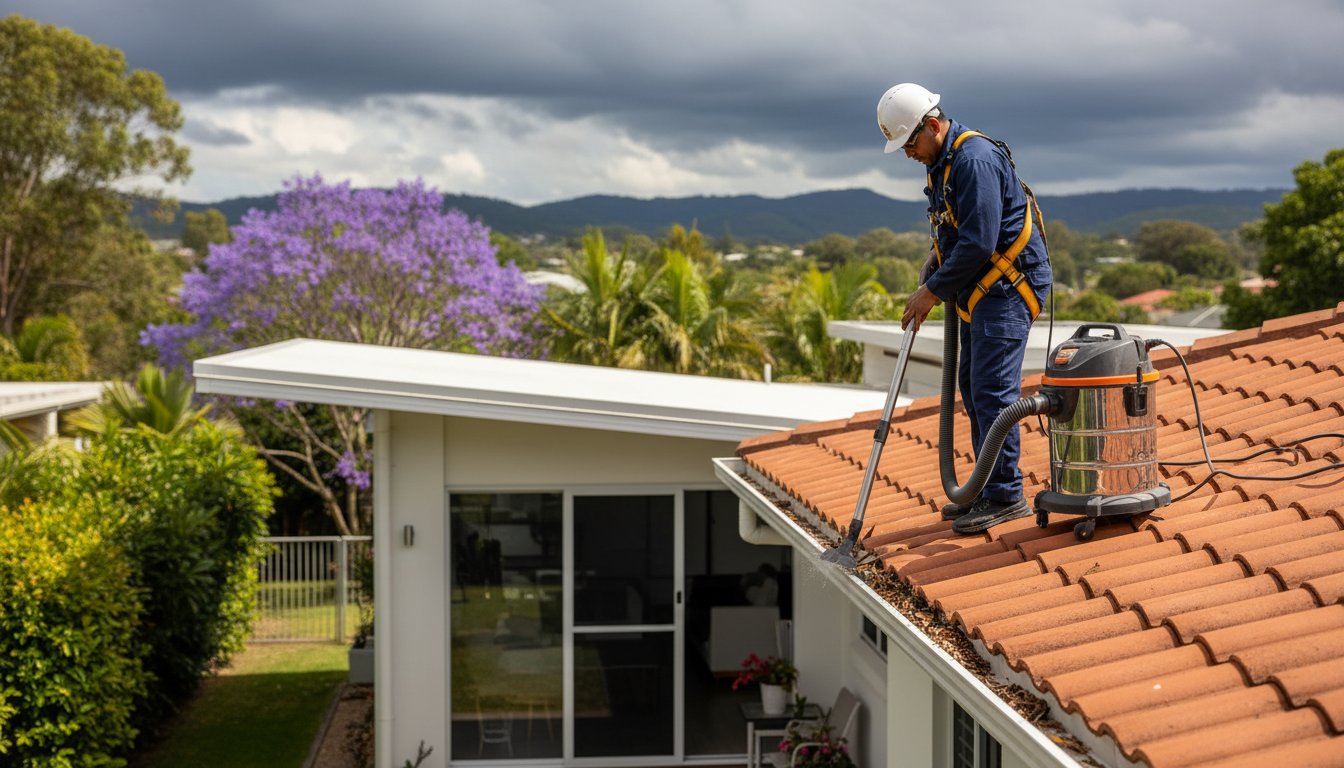
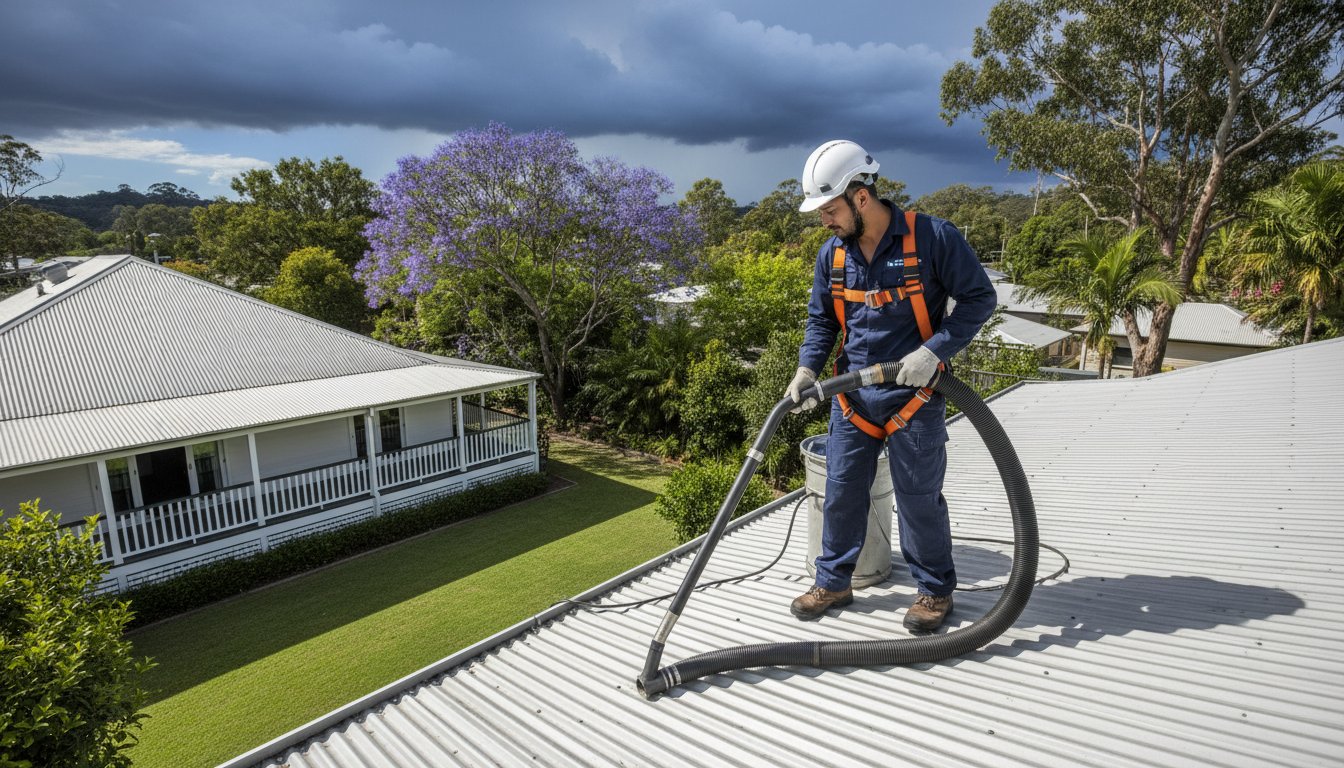
There is also the roof to think about. Solar cleaning is rarely just about the panels themselves. Walking on a roof, stretching around panel arrays, and handling water near electrical equipment all add risk. A simple cleaning job can become an expensive repair if tiles crack, mounting hardware is disturbed, or someone slips.
That is why the best way to clean solar panels is not always a DIY method. Sometimes the best method is the one that keeps you off the roof entirely.
When solar panels actually need cleaning
Not every dusty panel needs immediate attention. A thin layer of dust may have only a small effect, and in some climates regular rain does part of the job. But rain is not a full cleaning solution. It often leaves behind dirt trails, mineral deposits, or grime around the panel edges.
Panels usually need cleaning sooner when they are near busy roads, under overhanging trees, in dry or windy areas, or exposed to bird activity. Homes in coastal areas can also deal with salt film, which can cling more stubbornly than ordinary dust. If you can clearly see patches, spots, or streaks from the ground, there is a good chance a proper clean would help.
Another useful clue is a drop in system output without another obvious cause. Not every performance issue comes from dirt, but dirty panels are one of the easier causes to rule out.
How to clean solar panels without damaging them
If you are cleaning reachable panels from the ground or from a safe access point, start simple. Use clean water first to remove loose dust and grit. That matters because rubbing dry grit across the surface can create tiny scratches over time.
If residue remains, use a soft brush, microfiber applicator, or non-abrasive sponge with water. Some situations call for a small amount of mild soap, but less is more. You do not want a product that leaves a film or requires heavy rinsing. Work gently and let the water do most of the lifting.
Finish with a thorough rinse using low pressure. A standard garden hose is generally far safer than a pressure washer. If your water is known for leaving mineral spots, that can affect the final result, so technique matters. Sometimes purified water systems are used in professional cleaning because they reduce spotting and leave a clearer finish.
What to avoid if you want lasting results
The fastest way to turn routine maintenance into damage is to use the wrong tools. Avoid metal-edged tools, stiff deck brushes, abrasive pads, and anything designed for stripping grime off harder surfaces. Solar panel glass is durable, but it is not meant for aggressive treatment.
It is also wise to avoid strong detergents, bleach-heavy solutions, and glass cleaners that are not intended for solar surfaces. A product may look effective in the moment while leaving behind residue that attracts more dirt or interferes with light transmission.
And despite the temptation, avoid climbing onto the roof unless you are properly equipped and experienced. The cleaning method matters, but access safety matters just as much.
DIY vs professional solar panel cleaning
For a single-story home with easy access and light dust, a cautious DIY clean may be reasonable. The job becomes much less reasonable when the roof is steep, the panels are hard to reach, the buildup is stubborn, or the home has multiple stories. At that point, the question shifts from how to clean the panels to how to do it safely and without causing collateral damage.
Professional cleaning brings a few advantages that homeowners often underestimate. The first is risk control. A trained team knows how to work around rooflines, mounting systems, and delicate exterior finishes. The second is method. Professional exterior cleaners tend to use the right water delivery, the right soft tools, and a process built to clean effectively without overdoing it. The third is convenience. A job that might take a homeowner half a day and a fair amount of worry can often be handled quickly and properly.
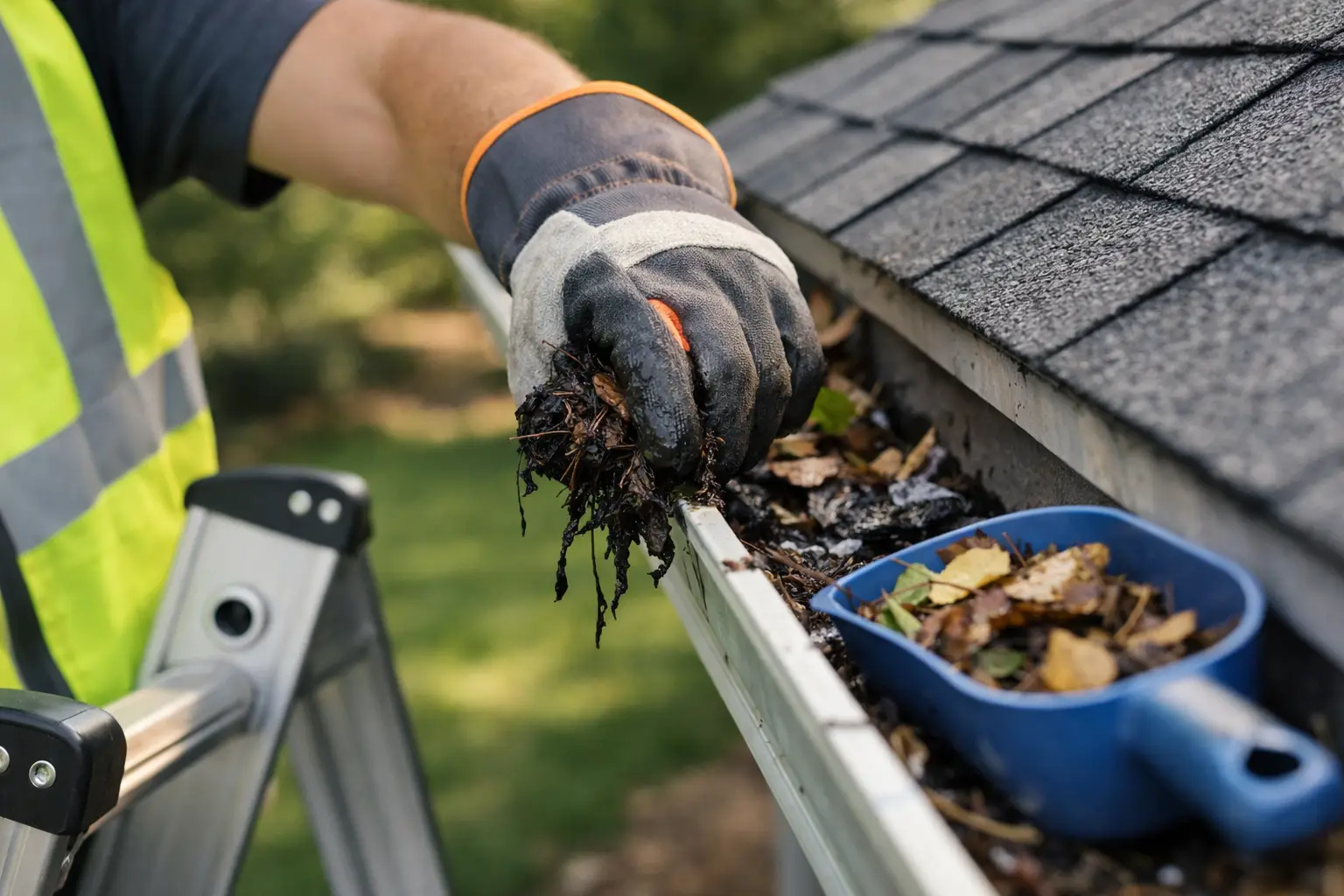
For homes already dealing with dirty roofs, clogged gutters, or stained exterior surfaces, it can also make sense to coordinate services. A full exterior refresh often delivers a much more noticeable result than cleaning one element in isolation.
How often should solar panels be cleaned?
There is no perfect universal schedule because every property is different. Some homes may only need cleaning once or twice a year. Others, especially those exposed to dust, traffic residue, birds, or tree debris, may benefit from more frequent service.
The right schedule depends on local conditions, roof pitch, nearby vegetation, and how much appearance and energy performance matter to you. If your panels consistently look clean and output remains steady, you may not need frequent attention. If they gather grime quickly, waiting too long can make the cleaning harder and the result less immediate.
A practical approach is to inspect them visually every few months from the ground. If buildup is obvious, or if output has dipped and other system issues have been ruled out, it is probably time.
The best way to clean solar panels on premium homes
On larger homes and premium properties, the standard should be higher than simply getting the dirt off. The best way to clean solar panels in that setting is with a process that protects the home as a whole. That means respecting roof materials, using eco-conscious methods where possible, and treating the panels as one part of a larger exterior care plan.
A careful service should leave the panels cleaner, the surrounding surfaces undisturbed, and the homeowner confident that the job was done properly. That is especially important when the property has painted finishes, landscaped areas, delicate gutters, or architectural details that can be affected by rushed work.
At House Washing Heroes, that protective mindset is a big part of how exterior cleaning should be done. Results matter, but so does the care taken to achieve them.
A cleaner system, without unnecessary risk
Solar panels are built to work hard, but they still benefit from the right maintenance. The best cleaning method is gentle, safe, and matched to the condition of the panels and the layout of the home. Sometimes that means a straightforward rinse and soft wash. Sometimes it means calling in a trained team rather than taking chances on the roof.
If you want your panels to perform well and your home to stay protected, the best decision is usually the one that balances clean results with common sense.