A driveway can look like it needs brute force. A painted exterior usually does not. That is where homeowners get stuck with pressure cleaning vs soft washing – both can make a home look dramatically better, but using the wrong method can leave you with damaged paint, etched surfaces, or growth that comes right back.
For most homes, the real question is not which method is better overall. It is which method is better for the surface in front of you. A good cleaning result comes from matching the right process to the right material, with safety and long-term protection leading the decision.
Pressure cleaning vs soft washing: what is the difference?
Pressure cleaning uses a strong stream of water to remove built-up dirt, grime, mud, and surface staining. It is most effective on hard, durable materials that can handle force, such as concrete, pavers, some stone, and certain masonry surfaces. When used correctly, it can quickly restore heavily soiled outdoor areas.
Soft washing uses low-pressure water combined with cleaning solutions designed to break down organic growth like mold, mildew, algae, and bacteria. Instead of blasting contamination off the surface, it treats the cause and then rinses it away more gently. That makes it a safer choice for more delicate exterior surfaces, especially painted siding, rendered walls, roofs, trim, and other areas where high pressure can cause damage.
The biggest difference is not just water pressure. It is the cleaning strategy. Pressure cleaning relies on force. Soft washing relies on treatment.
Why the wrong method causes expensive problems
Homeowners often assume more pressure means a better clean. That sounds reasonable until high pressure strips paint, drives water behind siding, loosens mortar, scars timber, or shortens the life of a roof. Exterior surfaces are not all built to take the same level of force, even if they look sturdy from the street.
On the other hand, soft washing is not the answer for every job either. If you have oil-stained concrete, thick dirt buildup on a driveway, or slippery grime compacted into pavers, low pressure alone may not deliver the finish you want. A softer process can clean biological growth well, but it may not be enough to cut through every kind of heavy surface contamination.
That is why professional exterior cleaning should never be one-size-fits-all. The safest approach is always surface-specific.
When pressure cleaning makes sense
Pressure cleaning is usually the better choice for hardscapes and ground-level exterior areas built to handle more aggressive cleaning. Concrete driveways, walkways, retaining walls, and some pool surrounds often respond well because the grime sits on a dense, durable surface.
In these cases, pressure cleaning can lift years of built-up dirt, tire marks, mud, and weather staining faster than a low-pressure method. It is especially useful where traction matters, such as slippery paths or entertainment areas that have become slick with grime.
Even then, technique matters. Too much pressure, the wrong nozzle, or poor distance control can leave lines, etching, or uneven patches. Concrete is tough, but it is not indestructible. The goal is a clean, even finish, not a surface that looks chewed up.
When soft washing is the smarter option
Soft washing is the better fit for surfaces where appearance and protection matter as much as cleanliness. Painted exteriors, weatherboards, vinyl siding, stucco, render, fences, eaves, and roofs generally benefit from a lower-pressure approach.
This is especially true when the issue is organic growth. Mold, mildew, algae, and lichen do not just sit on the surface like loose dust. They attach, spread, and keep feeding if they are not properly treated. Pressure may knock off the visible layer, but soft washing is often the better method for actually killing that growth and reducing how quickly it returns.
For homeowners trying to avoid premature repainting, this matters. A gentle wash that removes contamination without damaging coatings can freshen the home, improve curb appeal, and help exterior finishes last longer.
Pressure cleaning vs soft washing for common areas around the home
Different parts of the property call for different methods, and sometimes the same home needs both.
House siding and painted exterior walls
Soft washing is usually the safer choice. Painted surfaces can be surprisingly vulnerable to high pressure, especially if there are already small cracks, peeling areas, or older coatings. A low-pressure wash can remove grime and biological growth without forcing water where it should not go.
Roofs
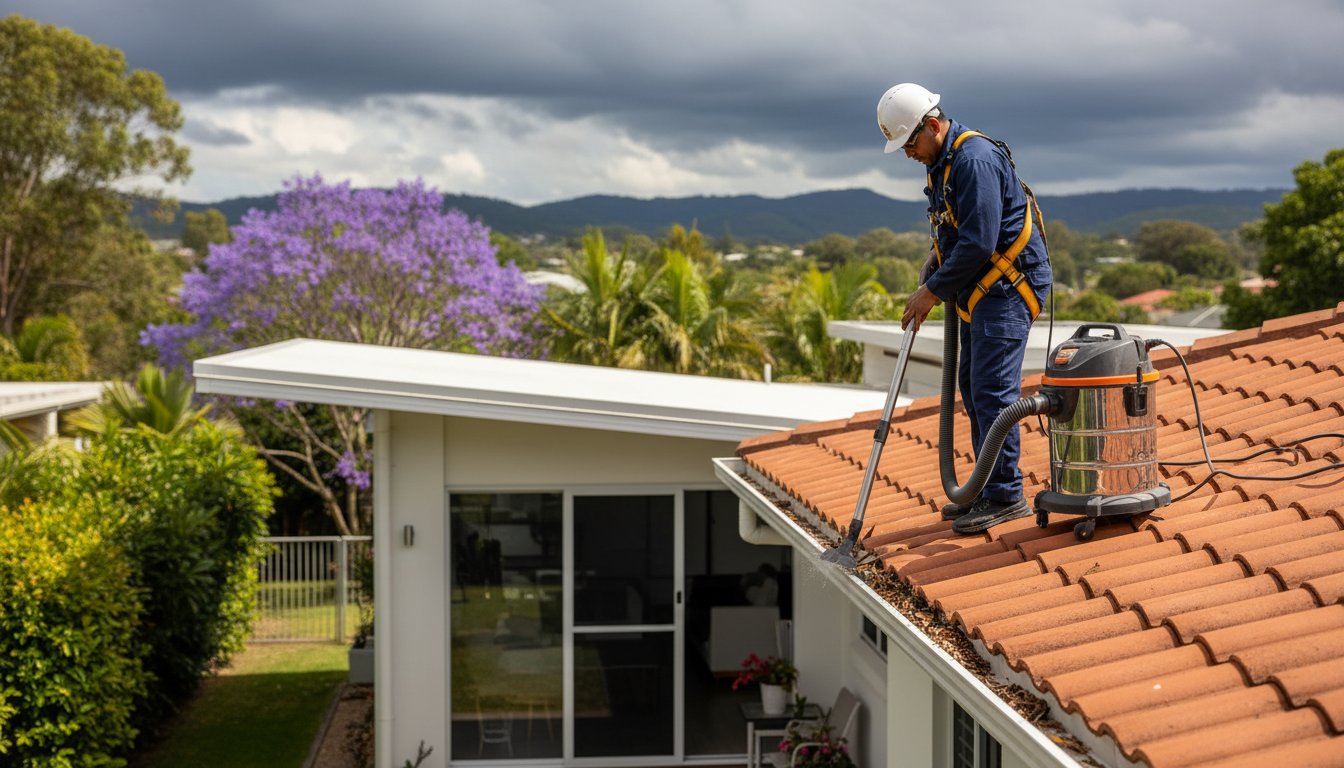
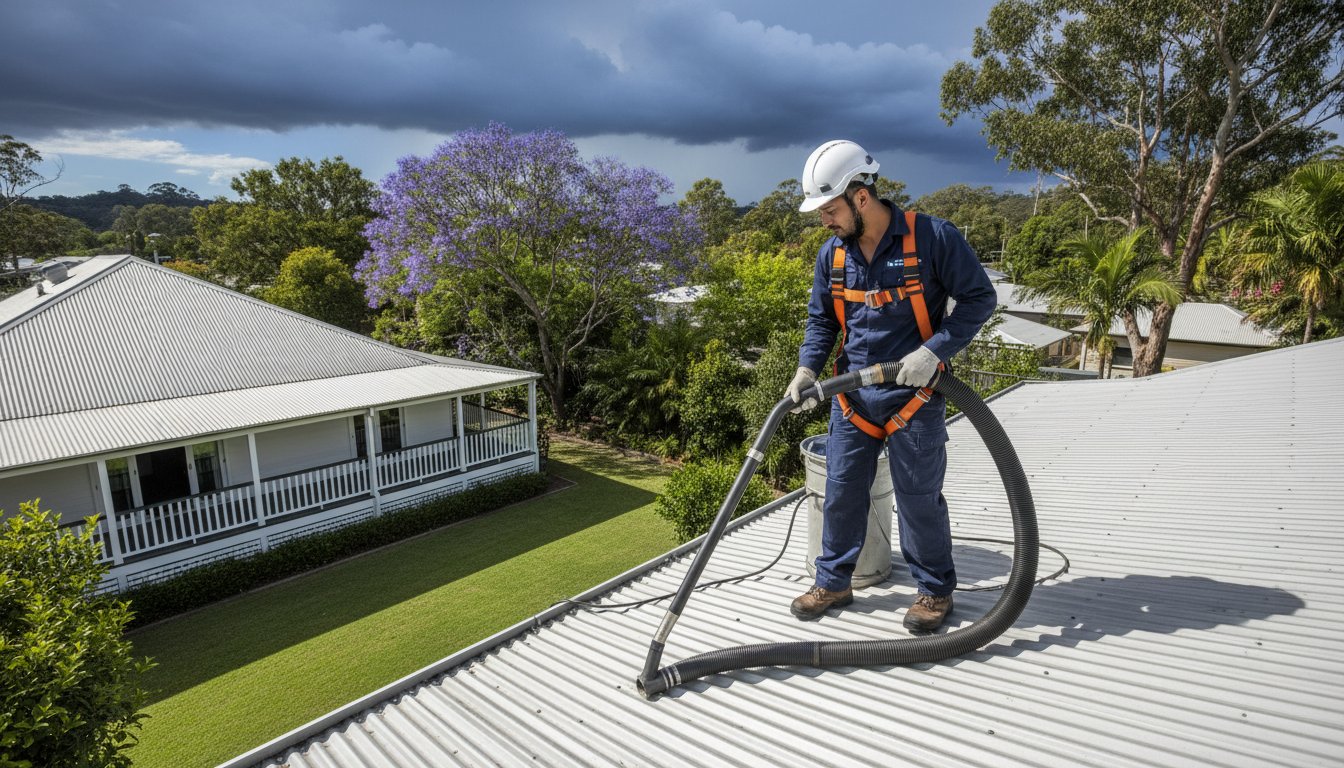
Soft washing is generally the preferred method. Roof surfaces can be damaged by aggressive pressure, and dislodged protective granules or coatings can shorten the roof’s lifespan. If dark streaks, moss, algae, or lichen are the issue, treatment matters more than force.
Driveways and paths
Pressure cleaning often works best here. Concrete and pavers usually need stronger cleaning power to lift embedded dirt and restore a brighter, cleaner look. In some cases, pre-treatment can still help, especially if algae or mildew is part of the problem.
Decks, fences, and timber
It depends on the condition and finish. Some timber surfaces can handle controlled pressure cleaning, but many are easily furred, gouged, or stripped if pressure is too high. Soft washing or very carefully adjusted pressure is often the safer route.
Gutters, trim, and delicate exterior features
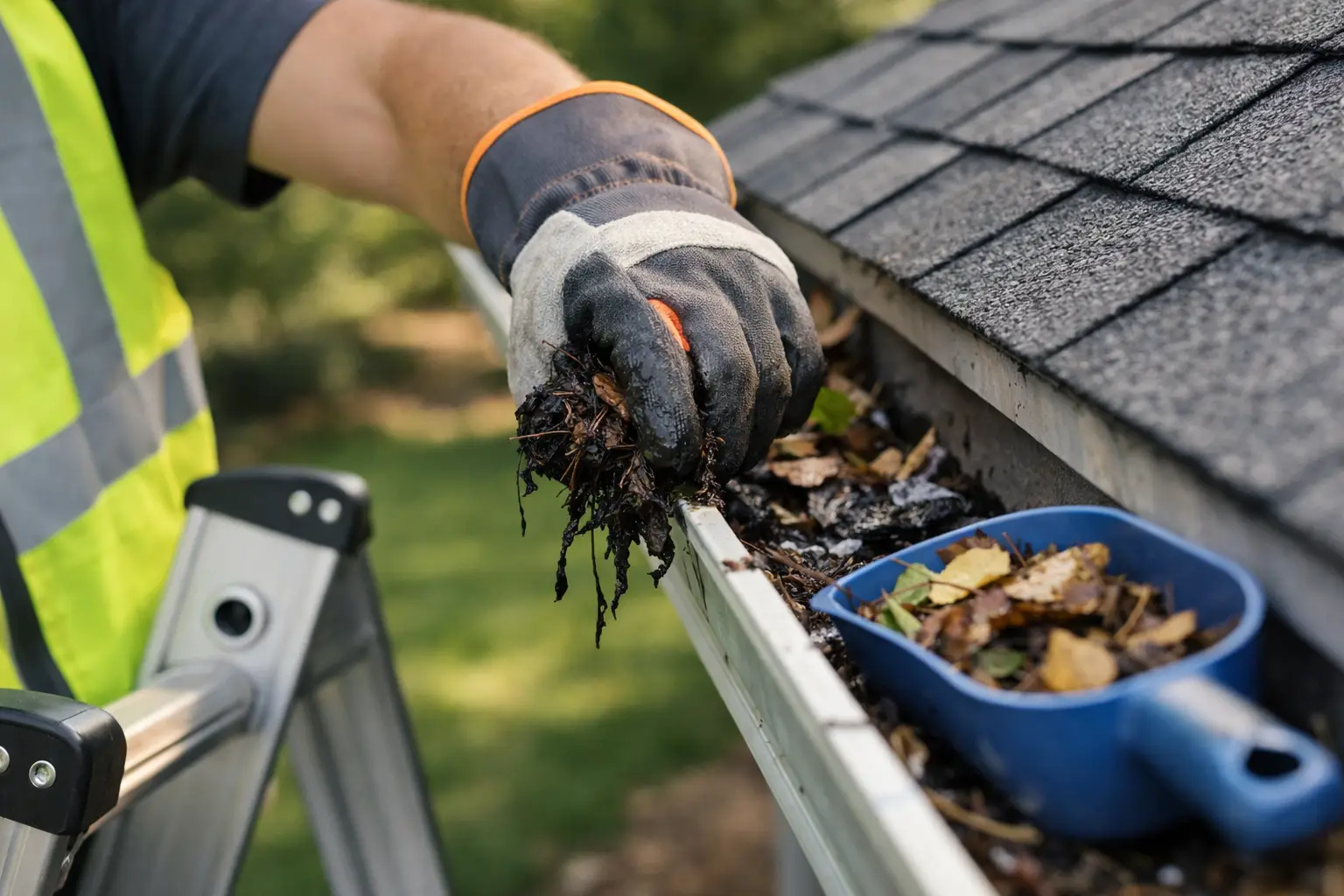
Soft washing is usually the better option. These areas are visible, detailed, and easier to damage with force.
The mold and algae problem most homeowners underestimate
One reason the pressure cleaning vs soft washing debate matters so much is that not all stains are just stains. A lot of what homeowners see on siding, roofs, and shaded walls is living growth. If it is treated like plain dirt, the result may look better for a short time but fade quickly.
Soft washing is often more effective in these situations because it targets the organic matter itself, not just the appearance of it. That can mean a cleaner home for longer, especially in humid conditions where growth returns fast.
This is also where safety and environmental care need to be handled properly. The right products, dilution, surface prep, and rinse process matter. Professional service is not just about having better equipment. It is about knowing how to clean thoroughly without harming the home, landscaping, or surrounding areas.
Choosing based on results, not just speed
If you are comparing methods, it helps to ask a practical question: what result do you actually want?
If the priority is lifting years of grime from a hard driveway, pressure cleaning may be the right answer. If the priority is refreshing a painted home exterior without risking damage, soft washing is usually the smarter investment. If the property has both delicate surfaces and heavily soiled hardscapes, a combination approach often delivers the best outcome.
That is how experienced exterior cleaning teams work. They do not force one method onto every surface. They assess what is there, what kind of buildup is present, and how to get the best visual improvement without creating a repair bill.
What homeowners should look for before booking
The method matters, but so does the company using it. Exterior cleaning is one of those services where the difference between a professional result and a careless one shows up fast.
A good provider should be able to explain why they recommend pressure cleaning or soft washing for each area of the property. They should be insured, clear about the process, and focused on protecting finishes, surrounding plants, and water-sensitive areas. Fast quoting and easy scheduling are helpful, but confidence should come from how carefully they approach your home.
That is the standard we believe in at House Washing Heroes. Premium exterior cleaning is not about turning up with the highest pressure machine available. It is about choosing the right method, doing the job safely, and leaving the home noticeably cleaner without unnecessary risk.
If you are deciding between pressure cleaning and soft washing, the best choice is usually the one that protects your surfaces while still delivering a visible transformation. A clean home should feel like money well spent, not the first step toward repairs.