A few dark streaks on siding or under the eaves can make a well-kept home look tired fast. If you’re wondering how to remove mould from house exterior surfaces without damaging paint, trim, or render, the right method matters just as much as the cleaning product. Done properly, exterior mould removal restores curb appeal, protects surfaces, and can save you from repainting sooner than necessary.
Why exterior mould shows up so quickly
Mould rarely appears on its own. It usually grows where moisture lingers and airflow is limited – shaded walls, southern exposures, behind landscaping, beneath gutters, and around window frames are common trouble spots. If your home also has dirt, pollen, or organic buildup on the surface, that gives mould even more to feed on.
This is why some homeowners scrub one patch clean, only to see it return a few months later. The visible staining is only part of the problem. The bigger issue is the damp, dirty environment that lets growth come back.
How to remove mould from house exterior surfaces safely
The safest approach starts with identifying the surface you’re cleaning. Painted weatherboard, vinyl siding, brick, stucco, render, and fiber cement all respond differently to water pressure and chemicals. What works on concrete can damage painted trim, and what lifts mould from render may leave streaks on delicate finishes if it’s applied too aggressively.
Before you clean, wear gloves, eye protection, and a mask if you’re working close to the growth. Wet nearby plants with clean water first, and cover sensitive landscaping if you’re using a treatment solution. Keep doors and windows shut while you work.
For light to moderate mould, begin with a soft wash approach rather than jumping straight to high pressure. That usually means applying a suitable exterior mould treatment with a pump sprayer or soft wash system, allowing it to dwell for the recommended time, and then rinsing it away with low-pressure water. Soft washing is often the better choice because it treats the organic growth instead of just blasting the surface stain.
A common mistake is using maximum pressure because it feels faster. On many homes, that creates more problems than it solves. High pressure can scar painted surfaces, force water behind cladding, strip oxidized finishes unevenly, and shorten the life of exterior materials.
Start with a small test patch
Always test your cleaning method in a low-visibility spot first. This tells you whether the solution is strong enough to lift the mould and gentle enough to protect the surface. If the area lightens evenly and the finish remains intact after rinsing, you can continue with more confidence.
If the test patch leaves discoloration, etching, or paint transfer, stop there. That usually means the product is too strong, the pressure is too high, or the surface is already more fragile than it looks.
Use the right cleaning mix for the material
There isn’t one universal mix for every exterior. Some homeowners use diluted house wash solutions designed for mould and mildew. Others try bleach-based mixtures. Bleach can be effective on some hard surfaces, but it isn’t automatically the best answer for every painted exterior, and it needs to be handled carefully around plants, fabrics, and runoff areas.
If you’re cleaning timber, painted siding, or decorative exterior finishes, gentler purpose-made house wash products are usually the safer choice. For masonry and concrete, you may have a bit more flexibility, but even then, stronger isn’t always better. The goal is to remove mould without fading, streaking, or weakening the surface.
The basic cleaning process that works best
In most cases, the most reliable process is simple. Remove loose debris first, apply the treatment from the bottom up to avoid streaking, let it dwell without drying completely, then rinse from the top down using low to moderate pressure. If needed, repeat on stubborn sections rather than trying to force the result in one pass.
Stubborn patches around soffits, shaded corners, or textured render may need light agitation with a soft-bristle brush. Keep that brushing controlled and gentle. Aggressive scrubbing can burnish painted finishes or leave obvious clean spots against weathered surfaces.
Patience makes a difference here. Exterior mould often releases in stages, especially if it’s been building for months. Two careful applications are usually safer than one harsh one.
Surfaces that need extra caution
Painted exteriors are the biggest concern for most homeowners because damage is expensive and immediately visible. Older paint may already be chalking, cracked, or loosely bonded, and any pressure or strong chemical can accelerate failure. If your home has peeling paint, hairline cracks, or patchy fading, mould removal should be more controlled.
Rendered walls and stucco can also be tricky. They hold moisture, collect grime in texture, and can show runoff marks if cleaning solutions are uneven. Brick is generally more forgiving, but mortar joints can weaken over time if they’re repeatedly hit with intense pressure.
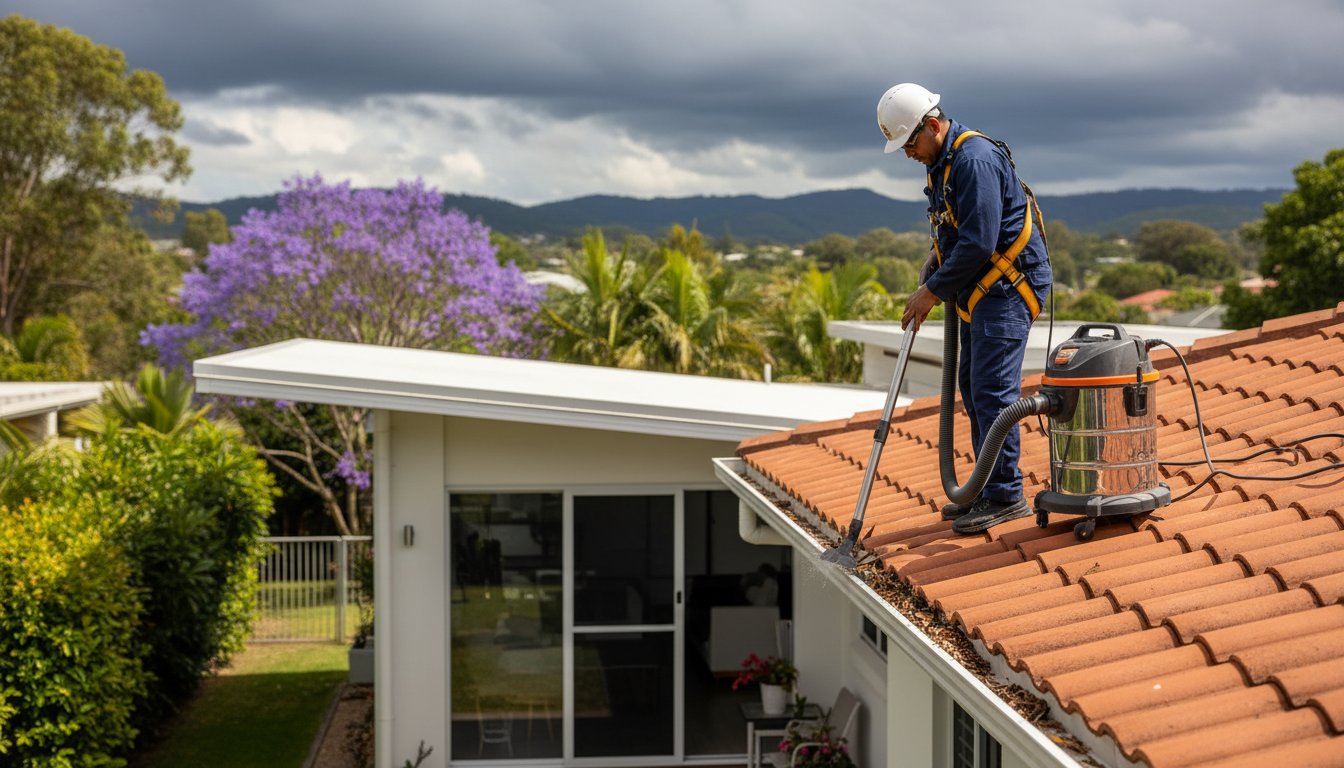
Rooflines, upper stories, and areas around exterior lighting deserve caution for another reason – safety. A mould problem on a second-story wall may look manageable from the ground, but ladders, wet surfaces, and chemical handling are not a casual weekend mix.
When DIY makes sense – and when it doesn’t
If the affected area is small, easy to reach, and on a durable surface, a careful DIY clean can work. That might include a short section of lower brick wall, a small mould patch on vinyl siding, or growth on a boundary wall with good access.
But it depends on more than size. If your home is painted, multi-story, architecturally finished, or surrounded by landscaping you don’t want to risk, professional washing is usually the smarter call. The same goes for widespread staining, recurring mould, or any surface where you suspect water may already be getting behind the material.
This is where experienced exterior cleaners add real value. A professional service isn’t just about speed. It’s about using the right pressure, the right treatment, and the right process for each section of the home so the result looks clean without looking overworked.
Why mould keeps coming back
Removing the stain is only half the job. If you don’t address the conditions causing the growth, mould often returns. Overflowing gutters, leaking downpipes, heavy shade, poor drainage, overgrown plants, and areas that never fully dry all contribute.
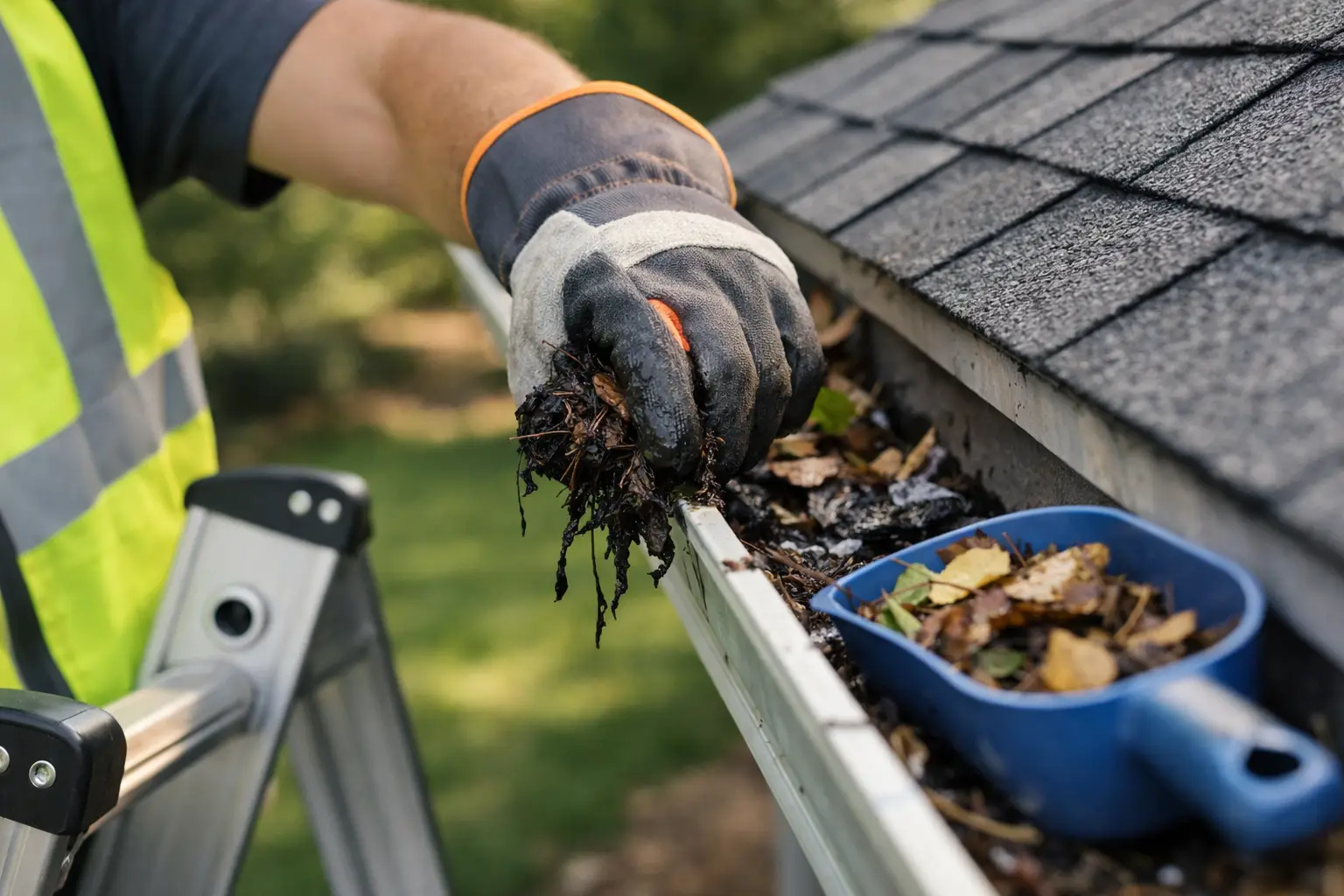
After cleaning, trim vegetation back from walls, improve airflow where possible, and make sure gutters and roof drainage are working properly. Even small changes can extend the life of the clean. Homes that stay dry and get more light generally stay cleaner longer.
Regular exterior washing also helps. Once grime, spores, and organic film build up, mould gets a head start. Routine maintenance breaks that cycle and keeps your home looking fresher year-round.
Why professional house washing often saves money
Many homeowners delay cleaning because they’re worried about cost, then start considering repainting when the exterior looks too far gone. In reality, a professional wash can dramatically improve the appearance of a home at a fraction of the cost of exterior paint work.
That’s especially true when the problem is surface contamination rather than true coating failure. Mould, mildew, algae, and traffic grime can make paint look older than it is. Once that buildup is removed properly, the home often looks brighter, cleaner, and far better maintained.
For homeowners who want a safe, premium result without trial and error, House Washing Heroes offers the kind of controlled exterior cleaning that protects surfaces while delivering a visible transformation. That matters when you’re caring for a property you plan to live in, refinance, or sell.
A cleaner exterior starts with the right method
If you want to know how to remove mould from house exterior areas successfully, the short answer is this: treat the growth, respect the surface, and don’t rely on brute force. The best result comes from careful cleaning that removes mould without creating a second problem in the form of damaged paint, water intrusion, or uneven finishes.
A clean exterior does more than look good from the street. It protects the home you’ve invested in and helps every part of it present better, from the roofline to the front entry. When the job feels bigger than a safe DIY fix, getting it done properly the first time is usually the better move.